Every parent wants the same thing: for their child to learn well, feel confident, and do their best in exams without feeling constantly stressed. When grades drop or workload increases, one of the biggest questions parents ask is:
Should my child go for tuition, or is self-study enough?
The truth is, there isn’t one “correct” answer for every student. Some children thrive with independent learning. Others improve much faster with guided support. The best choice depends on what your child actually needs, and not what everyone else is doing. In this blog, we’ll break down how to decide between tuition and self-study (or how to combine both) for Primary, Secondary, and JC students.
1) First, Identify the Real Problem (Not Just the Grade)
Grades are the outcome. What matters is the reason behind them. Ask:
Is my child struggling with understanding concepts?
Are they making careless mistakes even though they “know” the topic?
Are they studying hard but using ineffective methods?
Are they unable to handle exam time pressure?
Are they lacking confidence and consistency?
Once you know the root issue, the decision becomes much clearer.
2) When Self-Study Is Enough
Self-study can work very well when a student has:
✅ Strong fundamentals
They understand lessons in school, and gaps are minor.
✅ Good learning habits
They can sit down, focus, revise consistently, and complete work on time.
✅ Ability to correct mistakes
They review test papers properly and improve from errors.
✅ Motivation and independence
They don’t need constant reminders to start studying.
Signs self-study is working:
your child can explain concepts in their own words
they improve after each test without external help
they can plan their week and stick to it
they rarely fall behind for long
3) When Tuition Helps (and Why It Works)
Tuition is most helpful when a student needs:
✅ Clear explanations and structured learning
If your child often says “I don’t get it” even after reading notes, guided teaching can save a lot of time.
✅ A personalised strategy
Many students don’t know how to approach questions, especially problem sums, application questions, or higher-order questions.
✅ Consistent practice + accountability
Some students don’t study regularly unless there’s a fixed schedule. Tuition creates structure.
✅ Feedback to improve faster
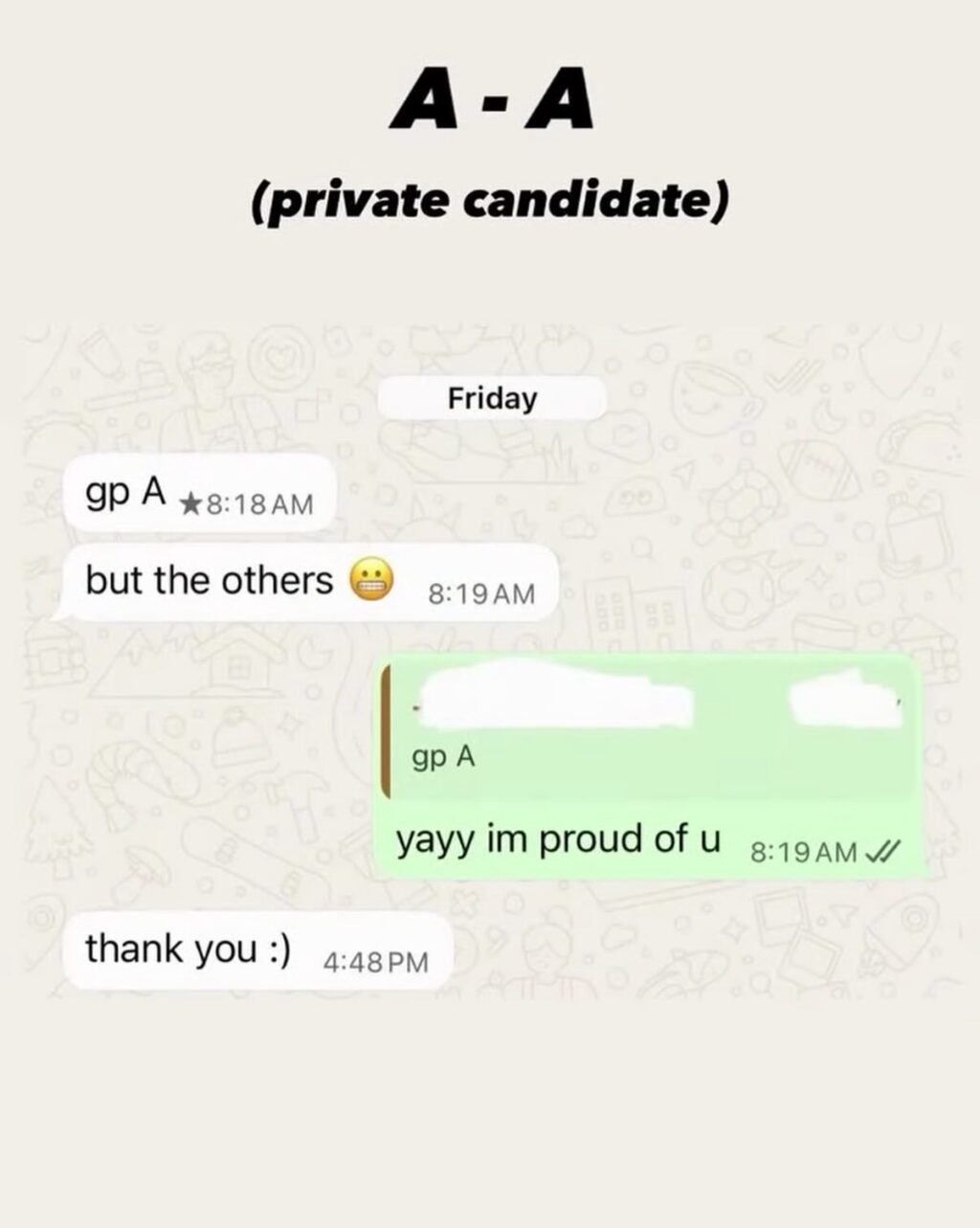
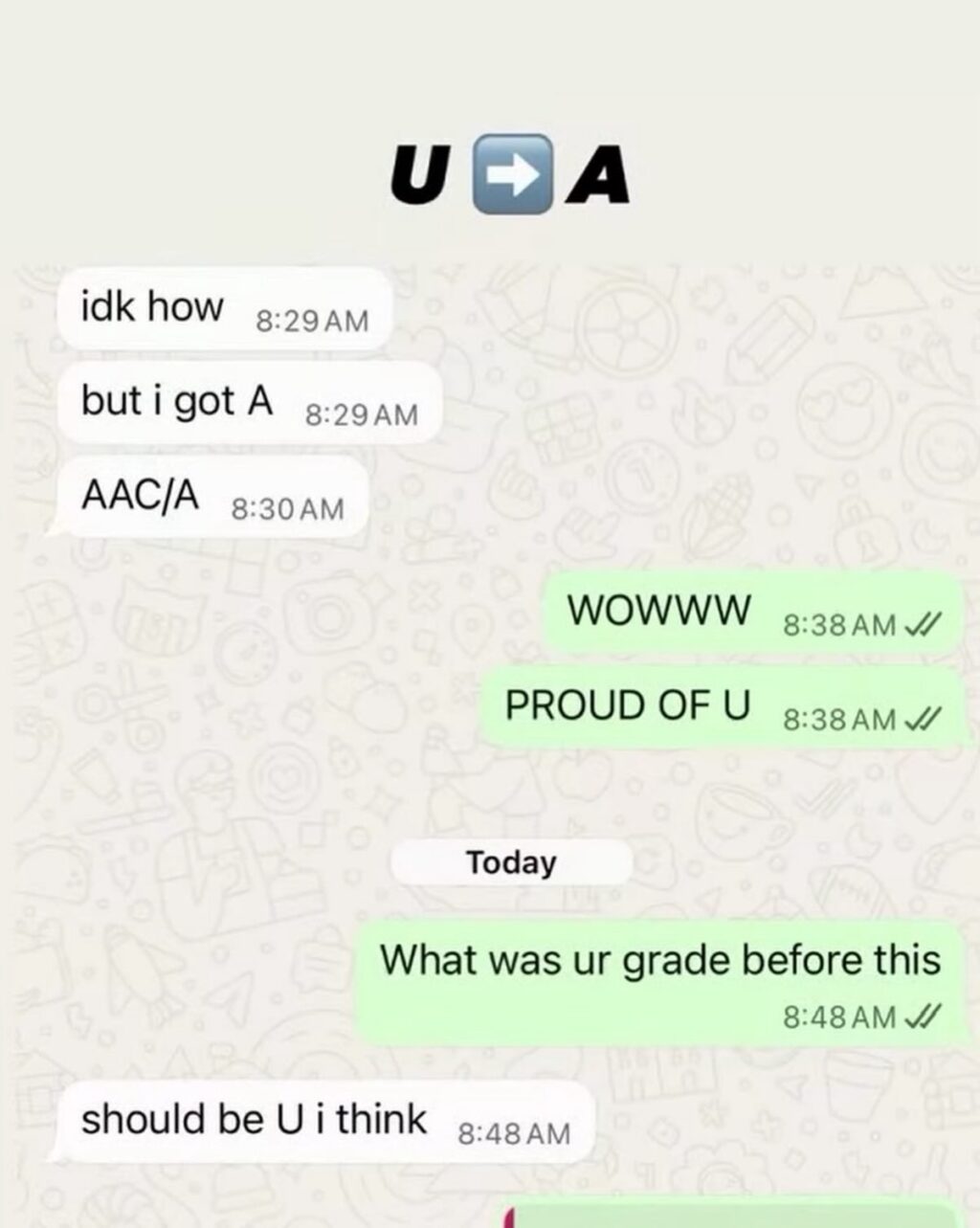
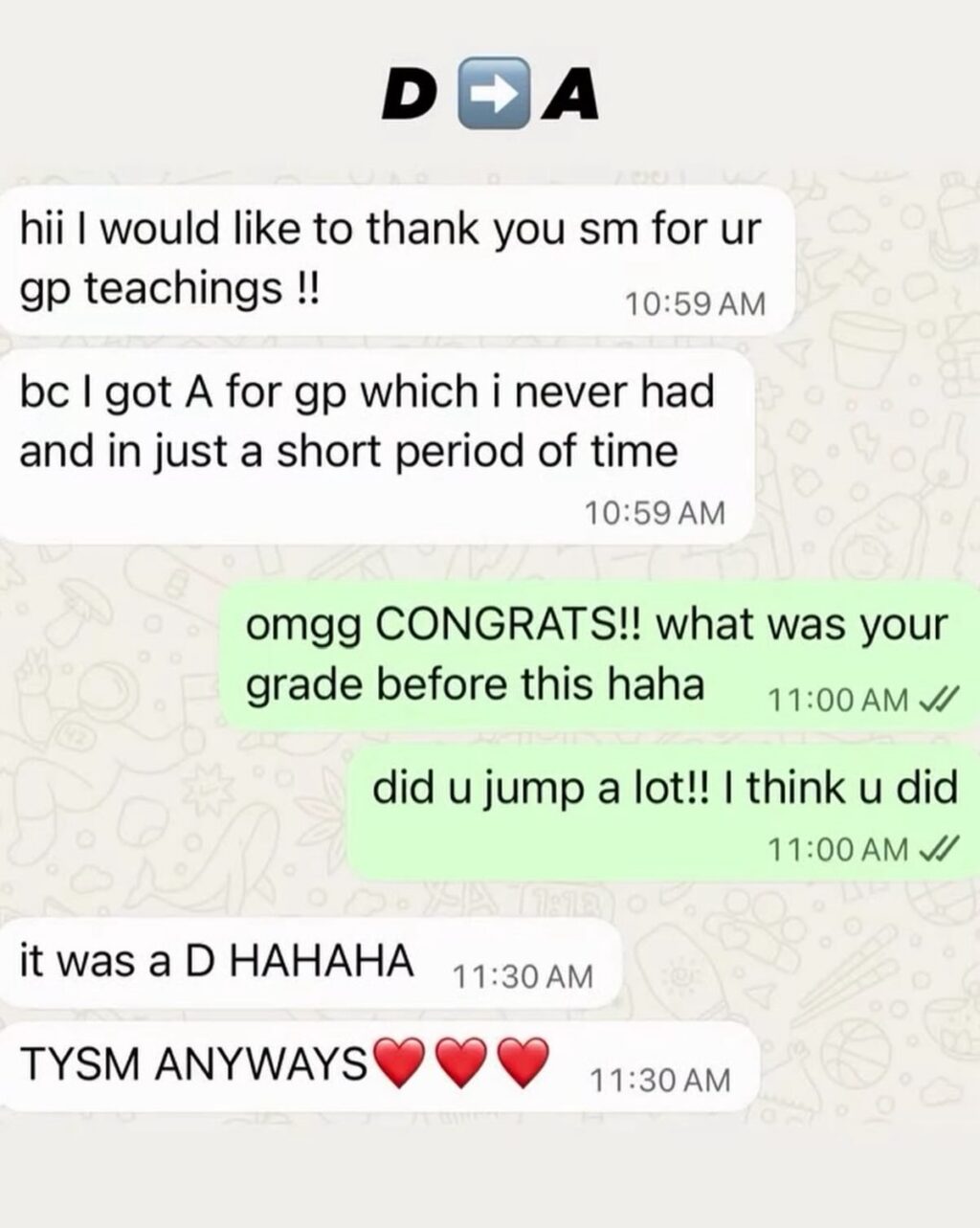
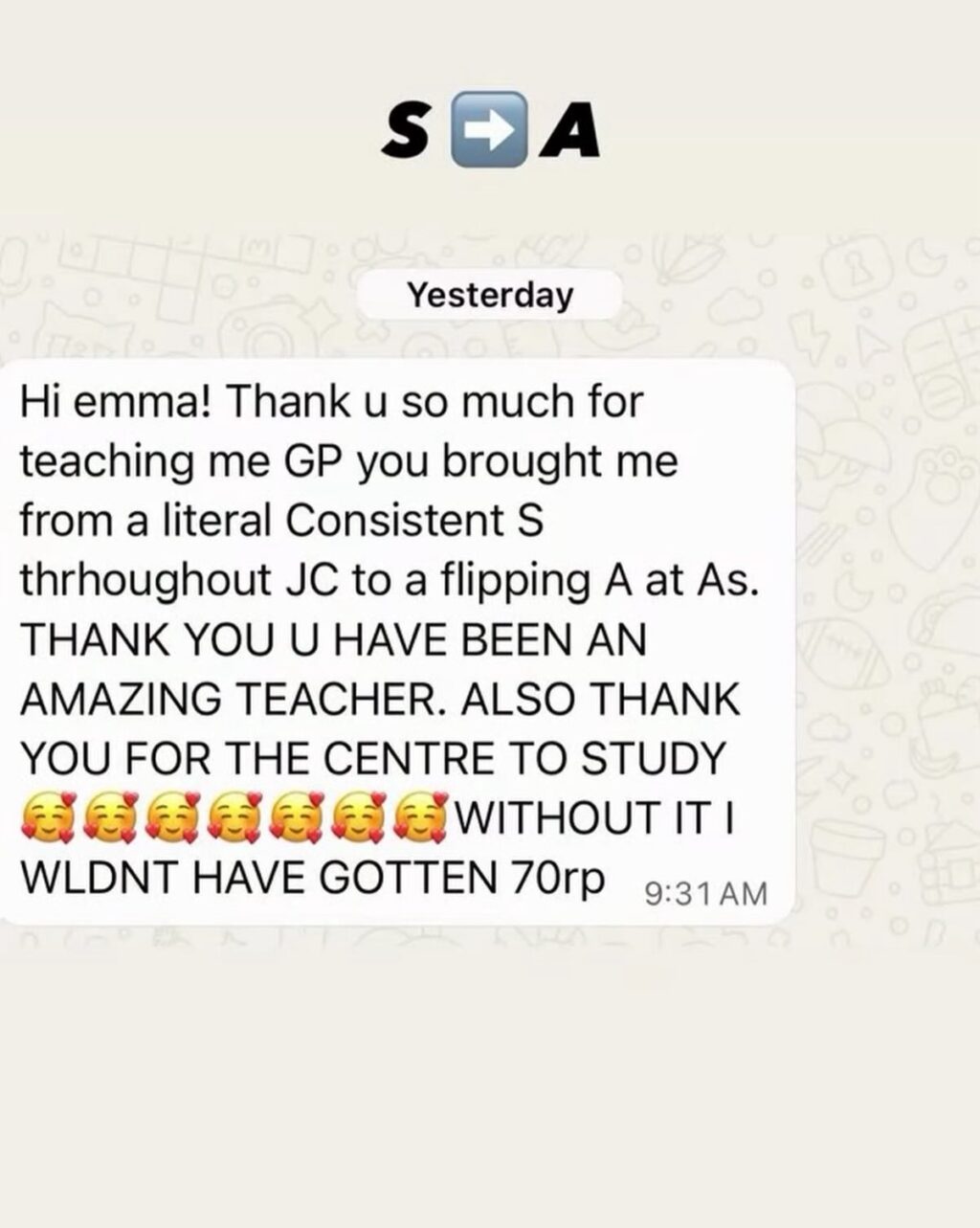
Self-study often fails because students don’t know what they did wrong or how to fix it. Good tuition provides targeted correction, not just extra worksheets.
✅ Confidence and exam skills
When students lack confidence, they may avoid tough topics. With the right guidance, they build momentum and stop fearing the subject.
Tuition doesn’t replace self-study—it makes self-study more effective by showing students what to do, how to do it, and what to focus on.
4) The Most Common “Hidden” Reasons Students Need Help
Sometimes a child is working hard but still not improving. Here are common hidden reasons:
1) They don’t know how to study the subject
For example, memorising for Math instead of practising or writing long essays without proper structure.
2) They lack exam technique
They may understand content but lose marks due to weak answering structure, missing keywords, or poor time management.
3) They don’t review mistakes properly
Many students finish a paper, check answers, then move on. Real improvement requires:
identifying error type (concept vs careless vs method)
redoing the question correctly
preventing repeat mistakes
If your child has these issues, tuition can be a shortcut to faster improvement because it provides guidance where self-study is usually weakest.
5) A Simple Decision Guide (Primary → Secondary → JC)
–> Primary
Tuition can help if:
your child struggles with foundations (e.g., PSLE Math problem sums, comprehension)
they lack discipline and need guidance
Self-study is enough if:
they understand school work and can practise consistently
parents can support with routines and checking
–> Secondary
Tuition can help if:
results drop in upper sec due to higher difficulty
they struggle with application topics (A Math, Sciences, Humanities essays)
they need exam technique and structured practice for O Levels
Self-study is enough if:
they have stable foundations and learn independently
they can correct errors and improve after tests
–> JC
Tuition can help if:
the pace is too fast and gaps accumulate quickly
they struggle with answering techniques (Econs evaluation, GP content/structure, H2 Math presentation, Science application)
they need consistent timed practice and marking feedback
Self-study is enough if:
they can keep up with lectures/tutorials
they can plan revision early and practise consistently
they have strong exam discipline
The Best Option for Many Students: A Hybrid Approach
For most students, the best approach is not “tuition vs self-study”, but a balance. A good hybrid plan looks like:
tuition for strategy + correction
self-study for repetition + mastery
Tuition once a week can be enough if the student follows up with self-study. Withuot that, tuition becomes “just another class.” And without guidance, self-study can become “time spent but little improvement.”
Final Thoughts
Choosing between tuition and self-study isn’t about following trends. It’s about choosing what supports your child’s learning best right now.
If your child is independent and progressing steadily, self-study may be enough.
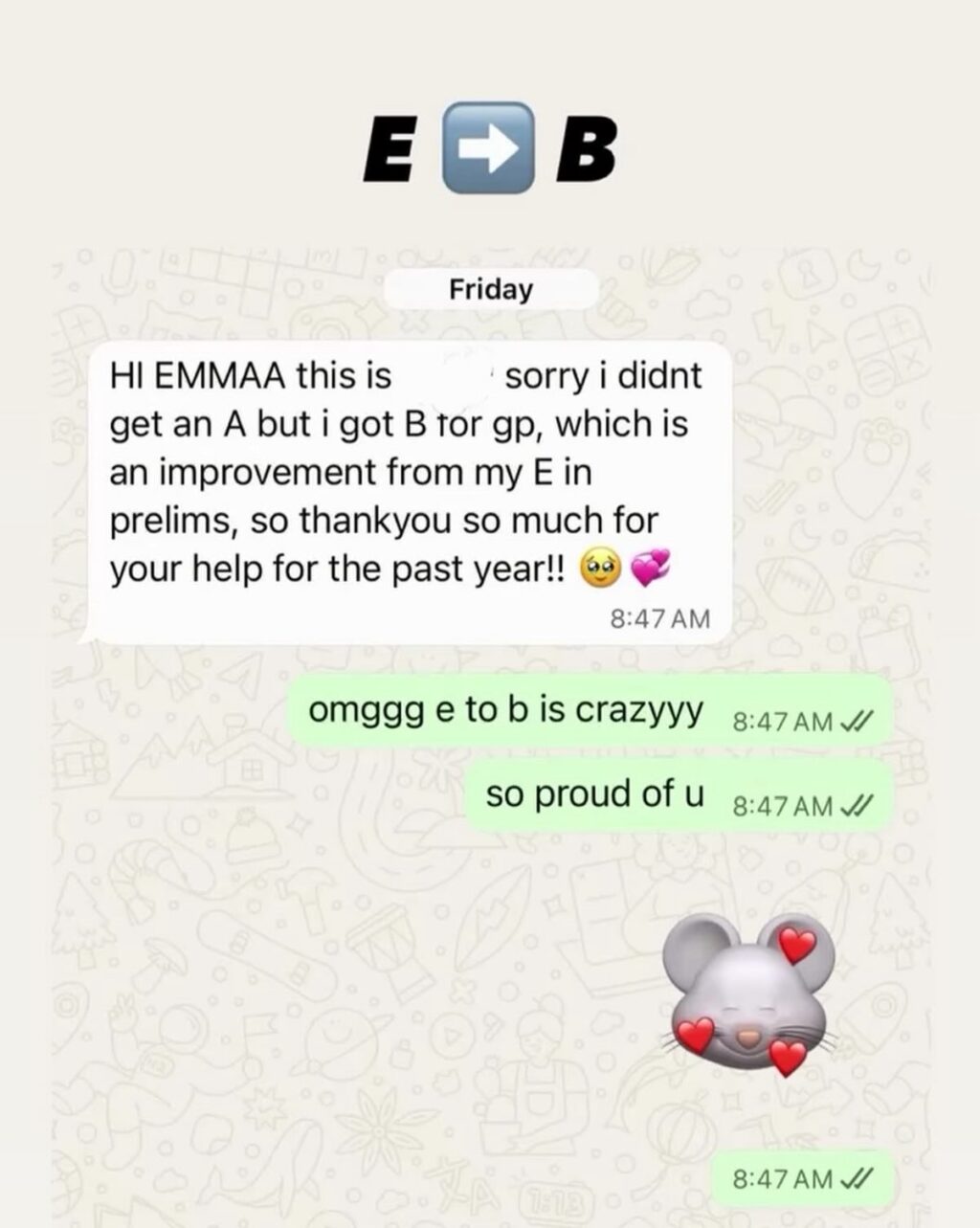
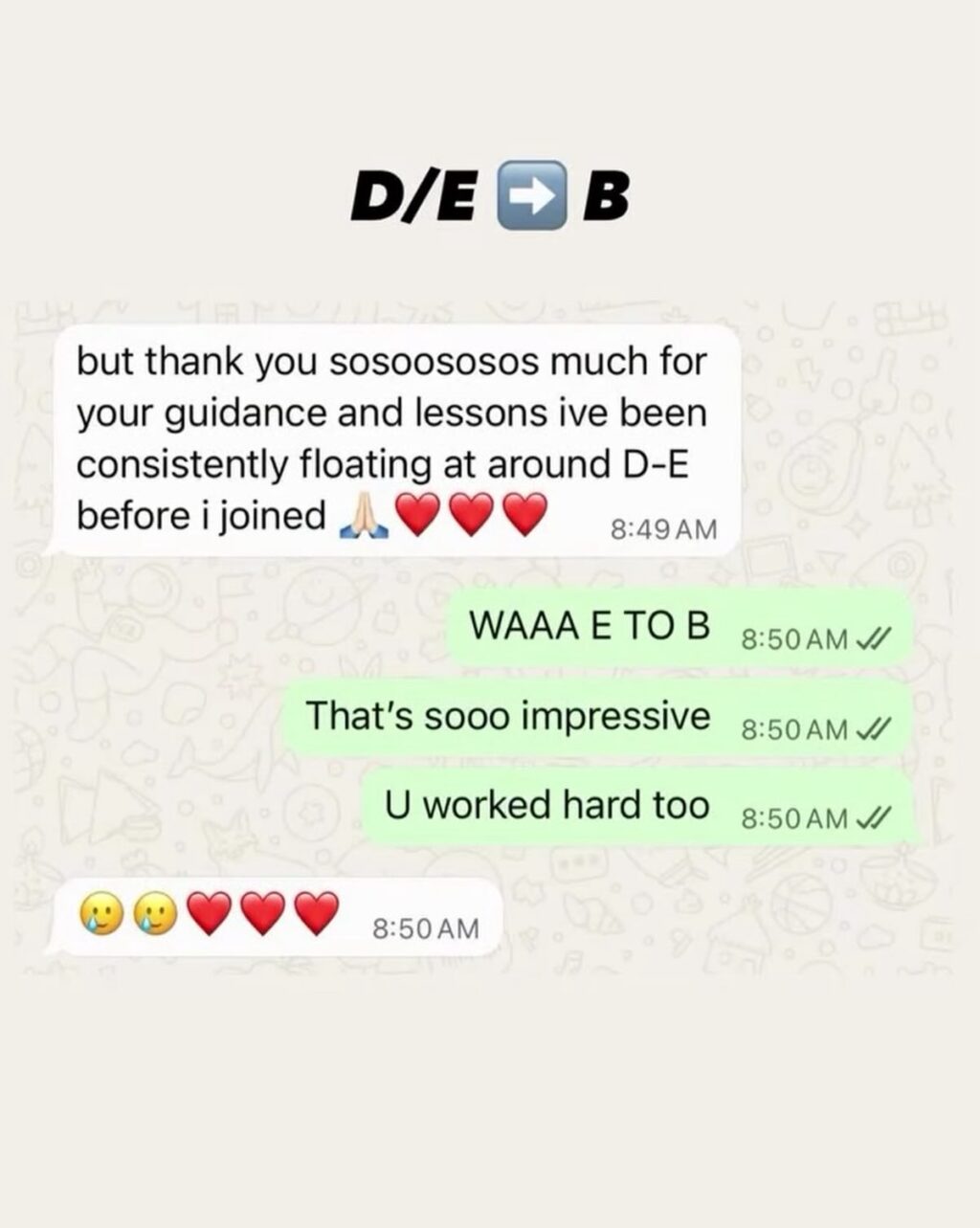
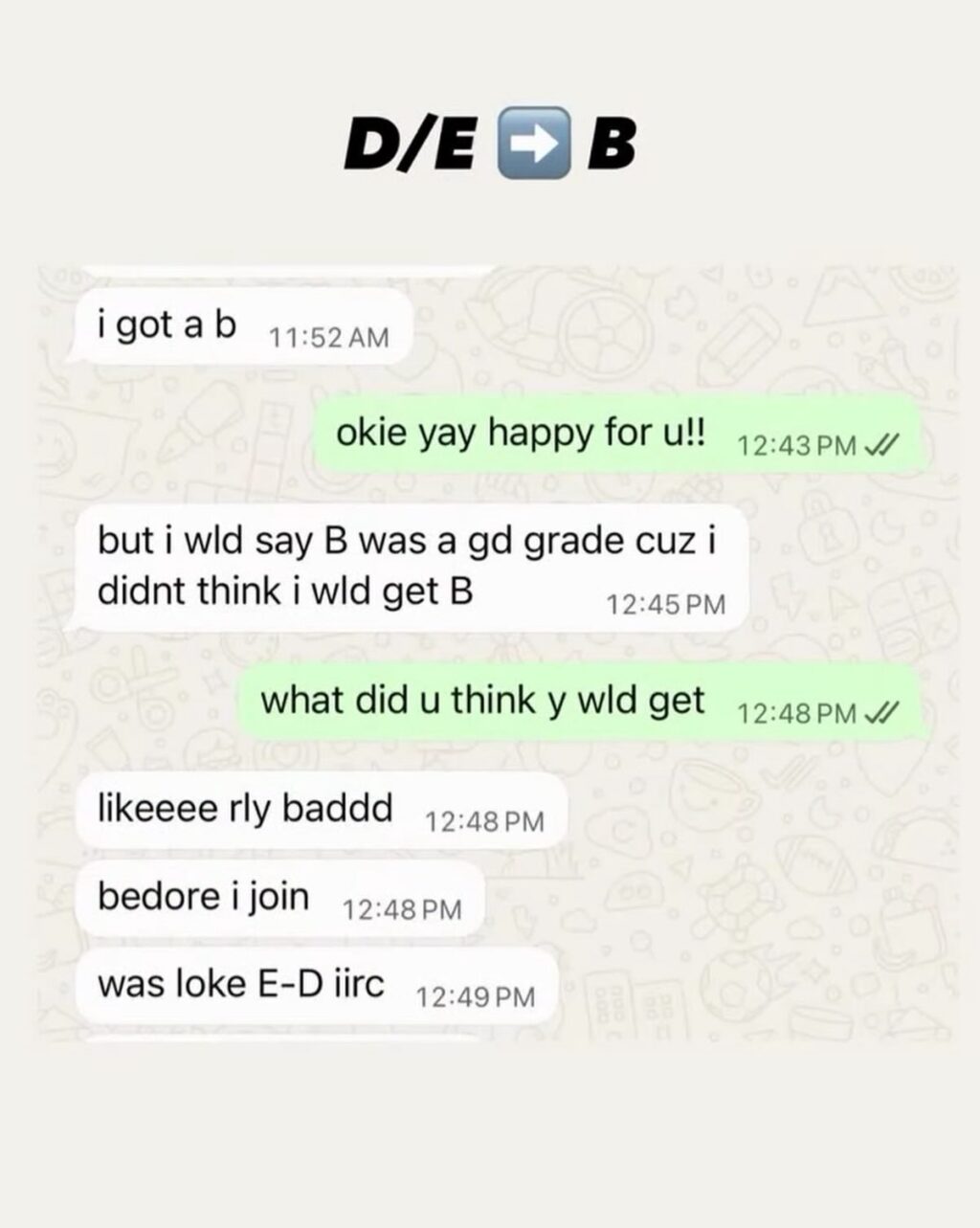
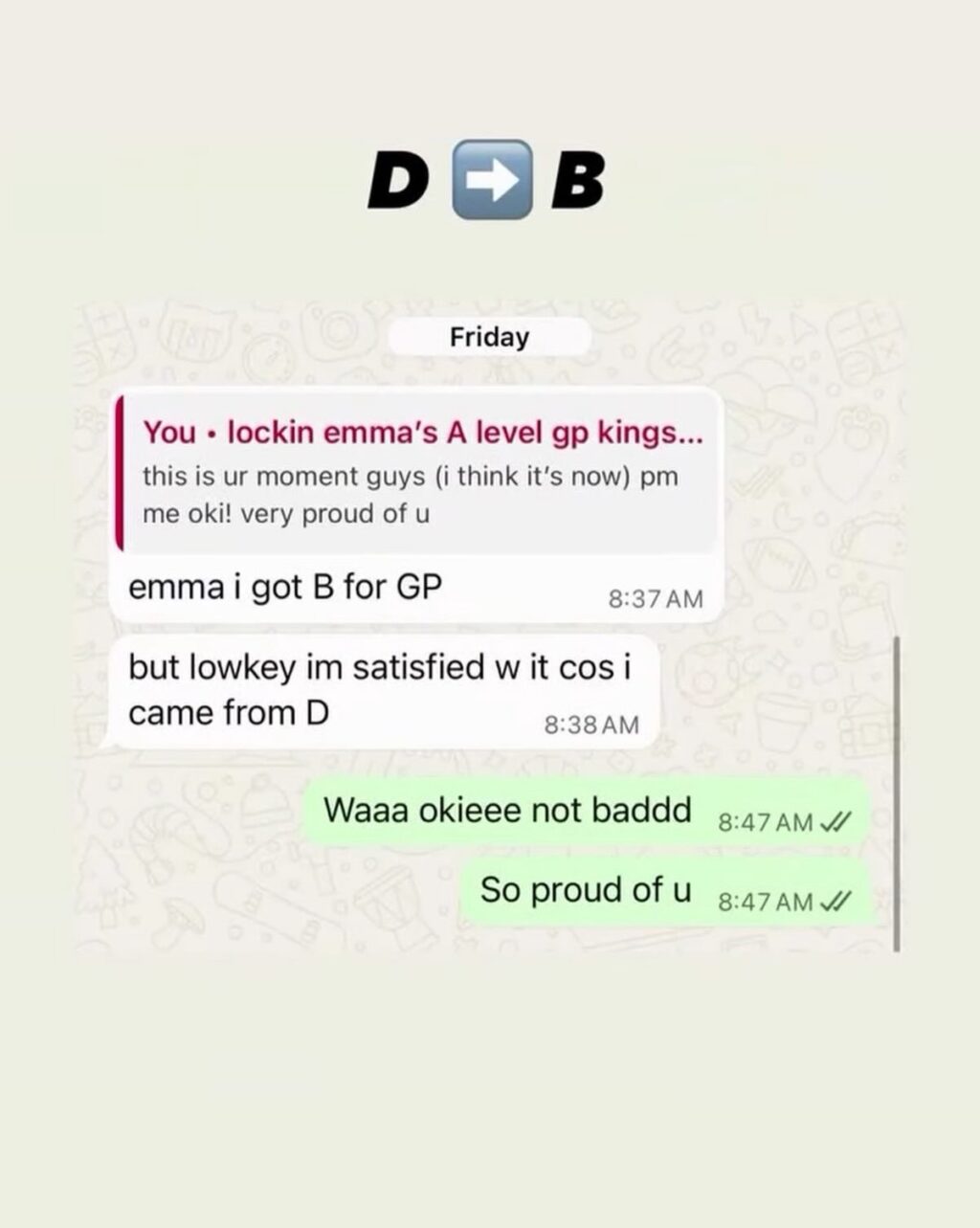
If they’re stuck, confused, or not improving despite effort, tuition can provide structure, clarity, and faster progress.
And for many students, a hybrid approach gives the best of both worlds.
The goal isn’t “more tuition.” The goal is better learning.